Top High Temperature Sensor Manufacturers for Global Buyers
Choosing a high temperature sensor is rarely a simple price comparison. Global buyers must examine temperature range, accuracy, response time, materials, calibration, and long-term stability.
Thomas J. Quinn, a respected temperature metrology expert and former director of the National Physical Laboratory, wrote, “Temperature is one of the most commonly measured physical quantities, yet it is one of the least well understood.” His observation remains practical today. A sensor may survive 1,000°C in a laboratory, but fail quickly beside vibration, corrosive gases, or repeated thermal cycling.
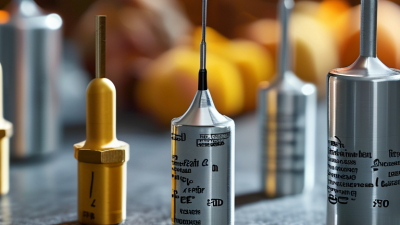
This guide introduces leading high temperature sensor manufacturers for international buyers. It considers thermocouples, resistance temperature detectors, infrared sensors, and customized assemblies. Each section will examine manufacturing experience, technical capability, calibration evidence, product consistency, and after-sales support. These details matter inside a furnace, kiln, engine test cell, or semiconductor process line.
No supplier is ideal for every application. That is worth admitting. Some manufacturers offer excellent ceramic protection but slower response. Others provide fast readings but limited durability. Buyers should compare published specifications with real operating conditions, including probe length, installation pressure, electrical noise, and maintenance access.
The strongest manufacturers usually provide traceable calibration records, application guidance, replacement support, and clear documentation. Product reviews alone are insufficient. Factory experience and field feedback reveal weaknesses that brochures may hide. This overview aims to help engineering teams shortlist reliable suppliers with greater confidence, while leaving room for independent testing before final approval.
High-Temperature Sensor Technologies and Industrial Applications
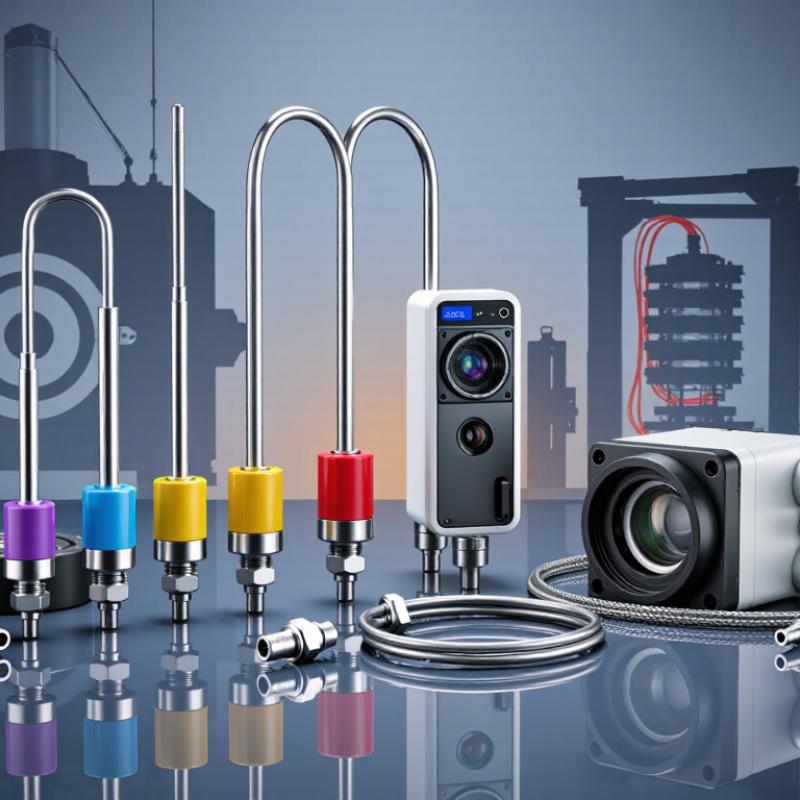
High-temperature sensors turn heat into usable process data, but the best technology depends on the measurement point. Thermocouples suit many furnaces and kilns because they tolerate wide temperature ranges and respond quickly. Resistance temperature detectors can offer stable readings where operating limits allow. Infrared sensors measure surface temperature without contact, useful for moving steel or hard-to-reach components. They need a clear view and careful attention to surface emissivity. Small details matter.
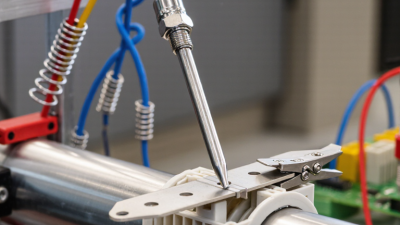
In glassmaking, metal processing, and power generation, sensor assemblies face vibration, oxidation, thermal cycling, and contamination. A protective sheath may extend service life, yet it can also slow response. Buyers should compare operating range, accuracy, response time, calibration needs, wiring, and control-system compatibility—not just the sensor element. Installation matters, too: poor placement can make a sound sensor report an unrepresentative temperature. Even with careful selection, drift can occur, so planned checks are sensible. The practical choice is not always the sensor with the highest rated limit.
High-Temperature Sensor Technologies: Representative Upper Measurement Temperatures
Thermocouples are commonly selected for the highest process temperatures, while platinum RTDs and thermistors are typically used at lower temperatures where precision and stability are priorities. Values are representative limits in degrees Celsius; actual operating ranges depend on sensor construction, protection materials, and installation conditions.
Key Criteria for Evaluating Sensor Manufacturers
When comparing high-temperature sensor manufacturers, begin with the actual operating conditions. Record the temperature range, heating and cooling cycles, vibration, and exposure to moisture or chemicals. A sensor that survives a brief peak may drift during repeated thermal cycling. Ask how performance was tested, and request data from conditions close to your process.
Check measurement accuracy, response time, repeatability, and long-term drift together. A fast response is not useful if readings become unstable near the upper limit.
Review calibration procedures, test reports, material specifications, and product traceability. Confirm that connectors, protective sheaths, and cable insulation suit the installation.
Ask about lead times, replacement parts, and technical support, too. Documents matter. Still, paperwork alone cannot prove consistent production quality; sample evaluation may reveal details a specification sheet misses.
Tips: Send a manufacturer a short, realistic operating profile, including normal temperatures and occasional peaks. Compare answers side by side. If a claim sounds unusually broad, ask for test conditions and tolerances in writing. No checklist is perfect, and I would revisit the chosen sensor after installation; actual equipment can behave differently from a laboratory setup.
Profiles of Leading High-Temperature Sensor Manufacturers
MarketsandMarkets’ Temperature Sensor Market report estimated a global value of USD 6.3 billion in 2023, with a forecast of USD 8.6 billion by 2028. The report covers temperature sensors broadly, not only high-temperature models. That distinction matters. For buyers, supplier profiles are useful when they reveal how manufacturers handle heat, vibration, and long-term calibration—not just market reach.
One supplier profile centers on thermocouple specialists. They typically offer mineral-insulated probes, varied sheath alloys, and custom junctions for furnaces and kilns. Ask for calibration documentation and drift data at your actual operating temperature. IEC 60584-1 defines thermocouple reference functions and tolerances, giving buyers a common technical basis for comparison. A datasheet alone is not enough.
Another profile includes manufacturers focused on resistance sensors and industrial assemblies. Their strengths often include stable measurement, protective housings, and integration with process-control systems. High-temperature limits depend on the sensing element, insulation, and sheath together. A neat catalog rating may not reflect furnace reality. Request the test conditions behind it, including exposure duration, thermal cycling, and measurement uncertainty. Suppliers that explain those details make comparisons more dependable, even when specifications look similar.
Global Sourcing and Manufacturer Verification for Buyers
Global buyers need more than a long supplier list when sourcing high temperature sensors. They need evidence. Grand View Research estimates that the global temperature sensor market reached about USD 8.1 billion in 2023, with continued growth expected through 2030. This expansion attracts capable manufacturers and weak intermediaries. The difference is rarely visible in a product photograph.
Ask each manufacturer for material specifications, operating limits, response-time curves, and recent calibration records. For thermocouples, compare stated tolerances with IEC 60584 or ASTM E230 requirements. For calibration, ISO/IEC 17025 accreditation provides stronger confidence than an ordinary internal test report. Check whether the certificate identifies the laboratory, reference equipment, uncertainty, and traceability route. Missing details matter.
Request a video inspection of the production line. Look for ceramic insulation, welded junctions, protective tubes, and serial-number control. A sample audit should compare three units from the same batch at the intended temperature range. Test drift after repeated heating cycles. It is not glamorous work. It prevents expensive surprises.
Manufacturer verification should also include factory registration, quality-system scope, export experience, and after-sales response procedures. Certifications deserve independent confirmation, not blind acceptance. I would contact two listed customers, if permitted, and ask about delivery consistency and sensor drift. Even experienced buyers can overtrust polished documents. A small pilot order is wiser than a large assumption.