How to Choose the Best Temperature Probe Sensor for Your Needs?
In the world of culinary arts and industrial applications, the choice of a temperature probe sensor can significantly impact results. Renowned expert Dr. Emily Hartman states, “Selecting the right temperature probe sensor is crucial for precision and safety.” Her insight underscores the importance of careful consideration in this decision-making process.
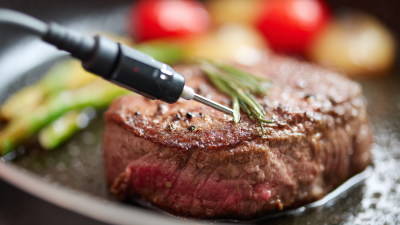
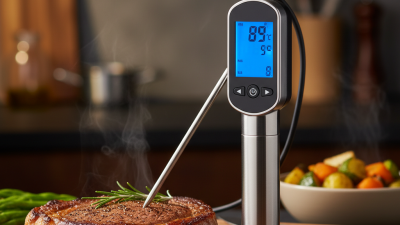
Temperature probe sensors serve various purposes across different fields. Whether you're monitoring the internal temperature of meats, regulating heat in a laboratory, or ensuring the safety of food during storage, the right sensor can make all the difference. Different models and specifications exist, each suited for specific needs and environments.
It is essential to evaluate factors like accuracy, response time, and durability when making your choice. Users often grapple with misunderstandings regarding these specifics. A common flaw is assuming all sensors are created equal. By reflecting on your specific requirements and challenges, you can find a temperature probe sensor that truly meets your needs. Precision matters, and making the wrong choice can lead to undesirable outcomes.
Understanding the Types of Temperature Probe Sensors Available on the Market
When selecting a temperature probe sensor, it’s essential to understand the different types available on the market.
Thermocouples, for instance, are widely used due to their versatility and wide temperature range. They can measure extreme temperatures, making them suitable for industrial applications. However, they may not provide the highest accuracy.
RTDs, or Resistance Temperature Detectors, are another option. These sensors offer excellent accuracy and stability over time. While they are more expensive, their reliability in precise applications justifies the investment. You may find them in laboratories or food processing industries.
Consider your specific needs when choosing a sensor. If you need quick responses, thermistors might be preferable. They respond faster than other sensors and are ideal for environments with rapid temperature changes. However, they often have a limited range of temperatures. Always evaluate the environment where the sensor will operate. Extreme conditions can affect performance and lifespan.
Factors like calibration and installation should not be overlooked. Proper calibration ensures accurate readings. Installation may present challenges, and you might need professional assistance. Reflect on your decision-making process and stay mindful of every detail. Each choice contributes significantly to the effectiveness of your temperature monitoring.
Key Specifications to Consider When Selecting a Temperature Probe Sensor
When selecting a temperature probe sensor, it’s essential to consider key specifications that greatly influence performance. Accuracy is paramount. According to industry reports, sensors can vary in precision by up to 0.1°C. Poor accuracy can lead to flawed measurements, jeopardizing ongoing projects. The range of temperatures a probe can measure is also critical. Some applications require low-temperature readings, while others may need to handle extreme heat. Knowing the specific requirements of your work environment is vital.
Another crucial factor is response time. A probe’s ability to quickly adapt to temperature changes can significantly affect data collection. Research indicates that faster sensors can reduce measurement errors in dynamic environments. Moreover, consider the environmental conditions where the sensor will be used. Harsh environments may require additional protection against elements like moisture and vibration. This choice can impact sensor durability and lifespan.
Lastly, cable length and flexibility are essential to your workflow. Longer cables may introduce resistance, affecting accuracy, while inflexible cables can limit usability. Many professionals overlook these aspects, leading to difficulties during setup or operation. Evaluating these specifications ensures that the temperature probe sensor meets your unique needs for reliability and precision.
How to Choose the Best Temperature Probe Sensor for Your Needs? - Key Specifications to Consider When Selecting a Temperature Probe Sensor
| Parameter |
Specification |
Considerations |
| Temperature Range |
-50°C to 200°C |
Ensure it meets your application needs |
| Accuracy |
±0.5°C |
Check for the required precision in measurements |
| Response Time |
< 1 second |
Faster response is crucial for dynamic measurements |
| Probe Material |
Stainless Steel |
Durability and corrosion resistance |
| Sensor Type |
Thermocouple |
Choose based on the temperature range and application |
| Calibration |
Factory calibrated |
Check if recalibration is required over time |
| Cable Length |
1.5 meters |
Ensure it fits your setup |
| Connectivity |
Analog Output |
Check compatibility with your monitoring system |
Evaluating Accuracy and Sensitivity in Temperature Measurement Devices
When selecting a temperature probe sensor, accuracy and sensitivity are paramount. Accuracy ensures that the readings you obtain reflect the true temperature of the environment you're measuring. Sensors with high accuracy will minimize deviations from actual temperatures. A probe with an accuracy of ±0.5°C is often sufficient for general purposes. However, specific applications, like scientific research, may require tighter tolerances.
Sensitivity refers to how quickly and effectively a sensor responds to temperature changes. A sensitive probe can detect even slight fluctuations, making it crucial for tasks in dynamic environments. For instance, food processing requires a sensor that regularly updates to ensure food safety. A sensor that reacts slowly could lead to unsafe conditions or spoilage.
Not all temperature probes will offer the same level of performance. Some may struggle with consistent readings in fluctuating conditions. Regular calibration is often needed to maintain accuracy over time. Invest time in understanding your specific needs. This knowledge will aid in choosing a sensor that meets your requirements effectively. Working with a less-than-ideal sensor can lead to costly mistakes. Each application has unique demands, and weighing these factors can ensure successful outcomes.
Temperature Probe Sensor Accuracy and Sensitivity Comparison
This chart compares the accuracy and sensitivity of various temperature probe sensors. Accuracy indicates how close the measurements are to the actual temperature, while sensitivity reflects the output change per degree Celsius change in temperature. Selecting a probe that offers the best balance of these attributes is crucial for optimal temperature measurement.
The Importance of Temperature Range and Response Time in Sensor Selection
When selecting a temperature probe sensor, understanding the importance of temperature range and response time is essential. The temperature range indicates the minimum and maximum temperatures the sensor can accurately measure. A narrow range may limit its applications. For example, a sensor that measures only between 0°C to 100°C might not be suitable for industrial processes that operate at much higher temperatures.
Response time is another crucial factor. It reflects how quickly the sensor can provide a reading after a temperature change. A slow response time may lead to inaccurate data during rapid temperature fluctuations. This delay can cause crucial processes to be ineffective. For instance, in food safety, a prompt reading can prevent spoilage, while a delayed response can have serious consequences.
Consider your specific needs when weighing these factors. Some applications may require more accuracy in temperature range rather than speed, or vice versa. Every situation has unique demands. Taking the time to reflect on these aspects can greatly influence the effectiveness of your chosen sensor. Balancing between range and speed often requires careful evaluation.
Cost Analysis: Balancing Budget with Quality in Temperature Probes
When selecting a temperature probe sensor, cost plays a pivotal role. Budget constraints are common. However, sacrificing quality can lead to inaccurate readings. This misunderstanding can result in more significant expenses down the line. A probe that does not deliver reliable data may affect overall project outcomes.
Consider the materials used in the probe sensor. High-quality sensors often use durable materials. These will last longer and provide consistent performance. Cheaper options may use subpar materials, leading to failures in high-stress environments. Exploring the long-term costs of frequent replacements can reveal surprising truths. It’s essential to perform a thorough cost-benefit analysis.
A good practice is to assess current needs. If precise measurements are crucial, investing in a higher-quality sensor is vital. Conversely, for less critical tasks, a budget option might suffice. Balancing these factors is challenging but necessary. Reflection on prior purchase experiences can guide future decisions. Keep in mind, quality often pays off in the end.