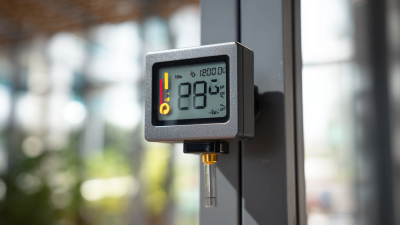
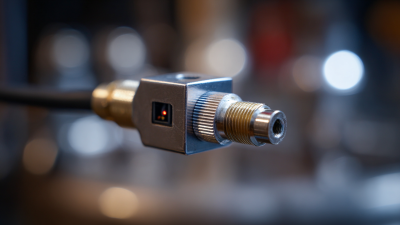
What Is a Thermometer Sensor and How Does It Work?
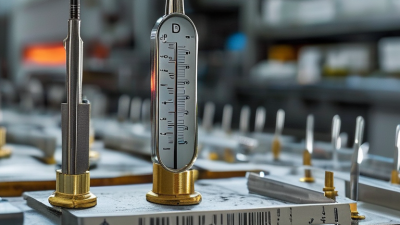
A thermometer sensor converts temperature into a readable electrical or digital signal. It may use resistance, voltage, infrared energy, or material expansion. The sensing element changes when heat changes. An instrument then interprets that change.
That sounds simple. Real systems are messier.
A resistance temperature detector, or RTD, changes electrical resistance with temperature. A thermocouple creates a small voltage between different metals. A thermistor responds sharply within a narrower temperature range. Infrared sensors measure emitted radiation without touching the surface. Each design suits a different setting, from a stainless-steel process pipe to a baby’s forehead.
Accuracy depends on more than the sensing element. Installation, calibration, response time, shielding, and electrical noise also matter. NIST Technical Note 1297 explains why measurement uncertainty must include these influences. A reading of 80°C may look precise, yet the actual uncertainty could change a safety decision.
The wider energy picture makes these devices important. The International Energy Agency’s Energy Efficiency 2023 report states that buildings consume about 30% of global final energy. Thermometer sensors help control heating, cooling, ventilation, and refrigeration. Better measurements can reduce waste, though sensors alone cannot fix inefficient equipment.
The World Meteorological Organization’s State of the Global Climate 2023 report recorded 2023 as the warmest year measured, at about 1.45°C above the pre-industrial average. Reliable temperature observations therefore matter beyond factories and laboratories.
This guide explains how a thermometer sensor works, compares its main technologies, and examines practical accuracy limits. Some examples simplify reality. That is deliberate. Good measurement begins with questioning the reading.
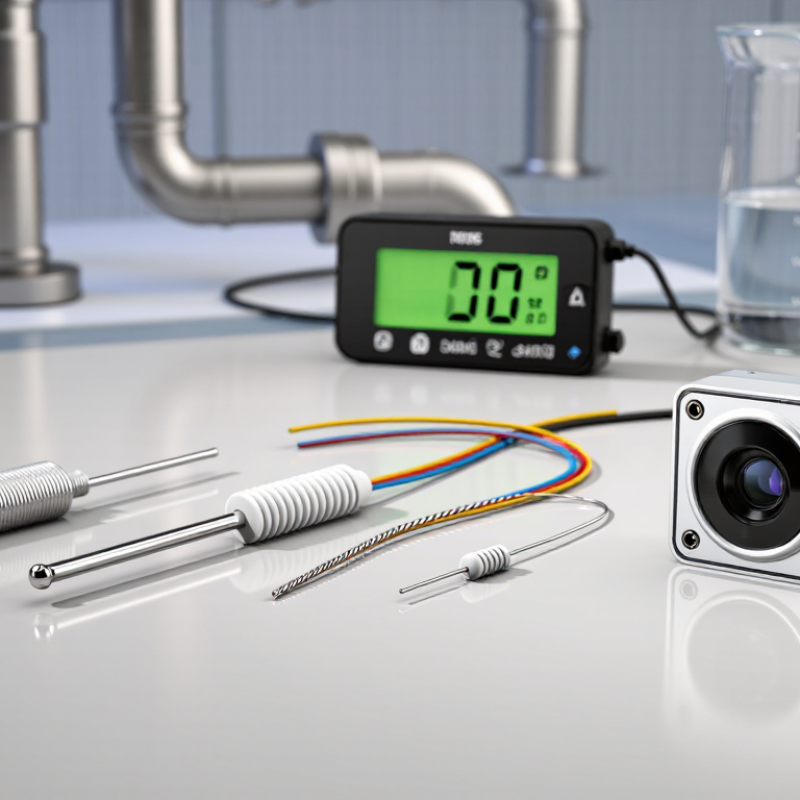
What Is a Thermometer Sensor?
A thermometer sensor is the measuring element inside a thermometer. It detects temperature and converts heat into a readable electrical signal. That signal may appear as a number on a display, a control-system value, or a recorded trend. It is a translator. Small, but critical.
Different sensors respond to heat in different ways. A resistance temperature detector changes electrical resistance, while a thermistor changes resistance more sharply over a narrower range. A thermocouple creates a small voltage between dissimilar metals. IEC 60751 specifies Class A platinum resistance sensors with a tolerance of ±(0.15 + 0.002|t|)°C. At 100°C, that equals ±0.35°C. NIST’s International Temperature Scale also relies on defined reference points for consistent measurement.
In practical work, installation can matter as much as the sensor itself. A probe touching a cold pipe may read the pipe, not the surrounding air. Poor contact, moisture, vibration, and slow response can also distort results. Calibration checks compare the sensor with a traceable reference under controlled conditions. No sensor is perfect. Even a well-specified device can drift with age or suffer from electrical noise. That is where real judgment is needed: choose the sensing principle, range, response time, and accuracy for the actual environment, not merely the product sheet.
What Are the Main Parts of a Thermometer Sensor?
A thermometer sensor is a device that detects temperature and changes it into a readable signal. Its main parts begin with the sensing element. This may be a metal resistance element, a semiconductor, or a temperature-sensitive junction. Each type reacts differently to heat. The element usually sits inside a probe, which protects it from moisture, pressure, and physical damage. Small changes matter.
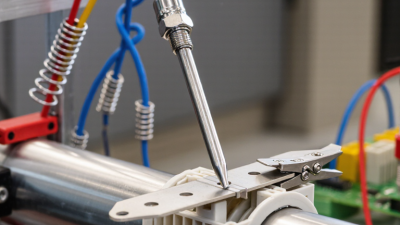
The probe may include a metal sheath, insulating material, and connecting wires. The sheath transfers heat to the sensing element while limiting outside interference. Wires carry the electrical signal to a measuring circuit. That circuit may amplify the signal, correct errors, and convert it into digital data. A display then shows the temperature in a familiar unit. Some designs also contain a power source and a small control processor.
During routine testing, I check whether the probe touches the measured surface properly. Poor contact can create a misleading reading, even when the sensor works correctly. Calibration is another essential part of reliable measurement. A sensor can drift after repeated heating, vibration, or exposure to moisture. No sensor responds instantly. Its response time depends on size, material, airflow, and contact quality. I once assumed a larger probe would be more stable, but it reacted noticeably slower. That detail is easy to overlook.
What Is a Thermometer Sensor and How Does It Work?
What Are the Main Parts of a Thermometer Sensor?
A thermometer sensor detects temperature by converting heat into a measurable electrical signal or physical change. The sensing element responds to temperature, the connection wires carry the signal, and the measuring circuit converts it into a readable temperature value.
Sensing Element
Detects temperature through a change in resistance, voltage, or thermoelectric output.
Protective Probe
Transfers heat to the sensing element while protecting it from moisture, pressure, and mechanical damage.
Signal Connections
Wires or terminals carry the sensor signal to the measuring or control circuit.
Signal-Conditioning Circuit
Amplifies, filters, linearizes, and converts the sensor signal into a temperature reading.
How Does a Thermometer Sensor Measure Temperature?
A thermometer sensor is the part that detects thermal energy and changes it into a measurable signal. Temperature itself cannot be read directly by most electronic circuits. Instead, the sensor responds to heat through resistance, voltage, or infrared radiation. That response becomes a number on a display. Small change, useful information.
In a resistance sensor, electrical resistance changes as temperature changes. A metal sensor usually increases resistance when heated, while a negative-temperature-coefficient thermistor decreases resistance. The circuit sends a small current through the sensor, measures the voltage, and calculates resistance using established electrical relationships. A thermocouple works differently. Two unlike metals create a tiny voltage at their joined point, and the instrument compares that voltage with a reference temperature. Digital sensors may use semiconductor elements and internal conversion circuits. The calculation is quick, but it still depends on calibration.
Infrared sensors measure radiation emitted from a surface without touching it. They are convenient for warm pipes, moving machinery, or a person’s forehead. However, distance, airflow, reflective surfaces, and surface emissivity can affect the reading. A practical check is simple: allow a contact sensor to reach thermal balance before recording data. No sensor is perfect. A display may show 25.0°C while the sensing tip remains cooler than the surrounding air. That difference matters in laboratories, food storage, and equipment monitoring. Careful placement and regular verification make the measurement more trustworthy.
What Are the Different Types of Thermometer Sensors?
Thermometer sensors convert temperature into a readable signal. Their design determines accuracy, response time, and suitable working conditions. In practice, I have seen small installation errors create larger readings than expected. Sensor choice matters.
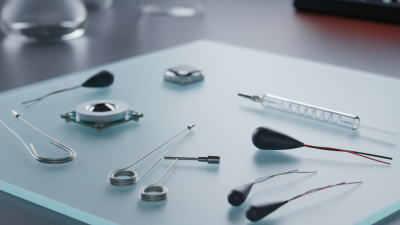
Thermistors use materials whose electrical resistance changes with temperature. They respond quickly and work well in appliances, medical devices, and battery systems. However, their useful temperature range is limited. Resistance temperature detectors, or RTDs, also measure resistance changes. They usually provide excellent stability and repeatability. A thin sensing element can detect subtle temperature shifts. Yet, the connecting wires may introduce measurement errors. Proper wiring and calibration are essential.
Thermocouples generate a small voltage when two different metals meet. They tolerate high temperatures and harsh industrial environments. Their response is fast. Their accuracy depends on reference-junction compensation and correct installation. Infrared sensors measure thermal radiation without touching the surface. This helps with moving objects, hot machinery, or fragile materials. Dust, steam, shiny surfaces, and changing distance can reduce reliability. A glass thermometer or liquid-filled sensor remains simple and visual, but it reacts slowly and can break. That weakness is easy to overlook. No sensor is perfect. Choosing one requires checking temperature range, contact method, response time, accuracy, and maintenance needs. A calibrated instrument may still produce poor results when placed near airflow, sunlight, or an unrepresentative surface.
Where Are Thermometer Sensors Used?
Thermometer sensors appear wherever temperature changes affect safety, quality, or equipment performance. In homes and offices, they support heating, ventilation, and air-conditioning systems. A sensor near an air outlet can detect rising heat and adjust room conditions. Placement matters greatly. A sensor behind furniture may report a comfortable temperature while people nearby feel cold.
Hospitals and clinics use thermometer sensors in patient monitors, incubators, storage cabinets, and sterilization equipment. Food facilities place them inside ovens, refrigerators, transport containers, and preparation rooms. A small temperature rise can spoil sensitive products before workers notice it. Reliable systems often record readings continuously, while trained staff check calibration at planned intervals. The sensor itself is not always the weak point. Poor wiring, moisture, or delayed maintenance can distort useful data.
Factories use these sensors in boilers, motors, chemical processes, and production lines. Laboratories need stable readings for experiments and controlled environments. Farms monitor soil, greenhouses, animal housing, and refrigerated storage. Vehicles also use temperature data to protect engines, batteries, and cabin systems. In electronics, compact sensors watch circuit boards for dangerous heat buildup. Some applications need rapid response, while others value long-term stability more. This difference is easy to overlook. A carefully selected sensor can still fail when installed beside a heat source, exposed to vibration, or used outside its rated range.