What is Drop Cable and How to Choose the Right One?
Drop Cables play a crucial role in telecommunications infrastructure. These specialized cables connect the main network to end-users, facilitating high-speed data transmission. According to industry reports, demand for drop cables is expected to grow by 15% annually. This is driven by the expansion of fiber optic networks and increasing internet usage.
When choosing a drop cable, factors like material, length, and installation type are vital. Fiber optic drop cables offer higher bandwidth and faster speeds than copper alternatives. The global market for fiber optic cables is projected to reach $50 billion by 2025. This indicates a robust shift towards faster, more reliable connections.
However, selecting the right drop cable isn't always straightforward. Users often overlook critical specifications, leading to performance issues. For example, mismatched cable types can result in signal loss. It’s essential to understand how each type meets specific needs while considering future scalability.
What is Drop Cable? An Overview of Its Purpose and Use
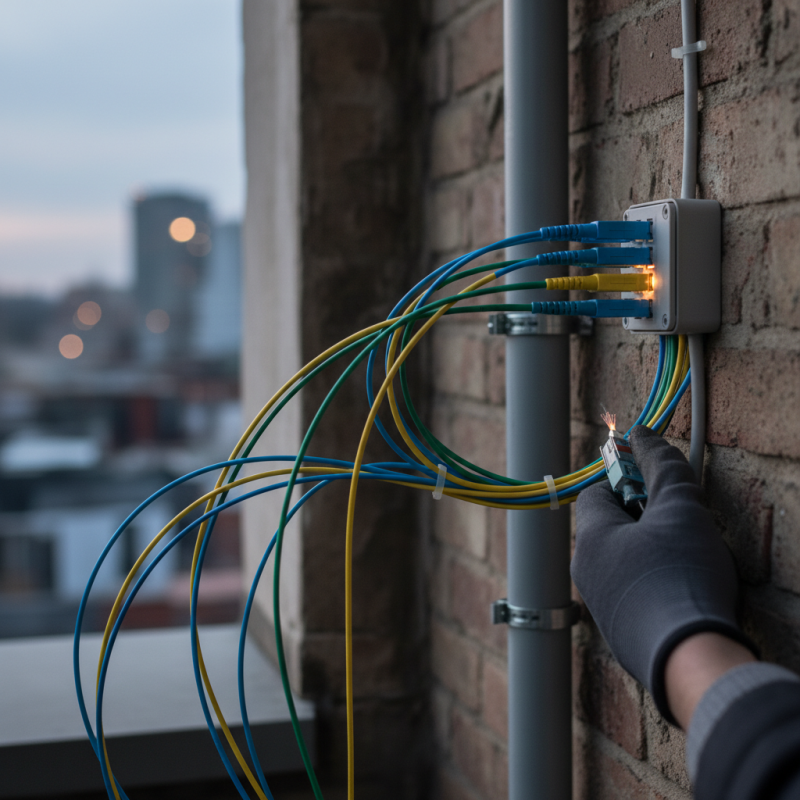
Drop cable is a crucial component in telecommunications and networking. It is designed to connect the main distribution network to individual customers. This type of cable is typically lightweight and features distinctive construction. The materials used often include both fiber optic and copper conductors. This diversity allows for versatility in various applications.
When choosing the right drop cable, several factors come into play. Consider the environment where the cable will be installed. Indoor installations may require different specifications compared to outdoor ones. Moreover, think about the distance to the service point. Longer distances may require cables with higher performance ratings. Sometimes, the choice boils down to the specific equipment you plan to connect. A mismatch can lead to frustrating connectivity issues.
Pay attention to installation methods. Proper installation can make a significant difference in performance. Mistakes could lead to signal loss or damage to the cable itself. Testing and verifying performance post-installation is also essential. These are steps often overlooked, but they can help ensure reliability. In the end, selecting the right drop cable is not just about the specifications—experience and knowledge of your specific needs matter a great deal.
Types of Drop Cables: Understanding the Differences and Applications
When it comes to drop cables, understanding the different types and their applications is crucial. Drop cables are often categorized into several types based on their construction and use. For instance, aerial drop cables are designed for outdoor installations, while underground drop cables are utilized for underground connectivity. Each type serves specific environments and conditions, impacting performance and reliability significantly. According to industry reports, aerial cables can withstand harsh weather better than their underground counterparts, but they may require more maintenance.
Fiber optic drop cables are becoming increasingly popular due to their high bandwidth capacity. They support internet speeds of up to 1 Gbps. Copper drop cables, while still in use, often provide lower speeds and are limited by distance. An estimated 50% of businesses are now opting for fiber optics to meet growing data demands. However, the choice between these types often depends on the specific requirements of the installation site. Factors like distance, environmental exposure, and budget must all be considered.
In addition to these considerations, it's essential to reflect on installation challenges. Incorrect installation can lead to performance issues. Regular testing and inspections can mitigate potential problems. Some reports indicate that nearly 20% of network outages are linked to cable issues. This statistic highlights the need for careful selection and adherence to best practices when choosing drop cables for any application.
Key Factors to Consider When Choosing Drop Cable
When choosing drop cable, several key factors come into play. The cable's construction is vital, as it directly impacts durability. Look for materials that can withstand harsh weather and physical stress. Fiber optic cables, for instance, are resilient and offer high data transfer rates. Copper cables may be cheaper but can suffer from signal loss over longer distances.
The drop cable's specifications are also crucial. Consider the bandwidth requirements for your specific application. If you're setting up a high-speed internet connection, prioritize cables designed for high capacity. Length is another factor; longer cables can lead to attenuation and reduce performance. Check the maximum length allowed for optimal signal quality.
Don’t overlook installation requirements as well. Some cables demand specific tools or techniques for effective deployment. Be aware of the environmental conditions where the cable will be placed. Whether underground or aerial, the cable must suit its environment. Remember, the wrong choice can lead to increased costs and frustration later on. Think about your long-term needs, not just immediate concerns.
Installation Tips for Drop Cable: Best Practices and Techniques
When installing drop cables, following best practices is crucial for optimal performance. Proper cable management and handling make a significant difference. According to a recent industry report, improper installation can lead to signal loss of up to 70%. When choosing a drop cable, consider the environment. For outdoor installations, UV-resistant jackets are essential to withstand harsh weather. Indoor cables should prioritize flexibility for easier routing.
Tips for installation include using cable ties to avoid excess tension. Ensure that bends in the cable do not exceed the minimum bending radius. This prevents damage and preserves signal integrity. Regular maintenance assessments are also recommended. Check connections and look for any wear or signs of interference.
Lastly, always maintain cleanliness during installation. Dust and debris can affect performance. An estimated 25% of drops in signal quality occur due to unclean installations. Documenting your installation process provides a reference for future maintenance, contributing to long-term reliability.
Drop Cable Types and Their Popularity
Common Mistakes to Avoid When Selecting Drop Cable
When selecting drop cable, many make common mistakes that can lead to performance issues. One major error is ignoring the cable's specifications. For example, fiber optic drop cables come in various configurations, like single-mode and multi-mode. Using the wrong type can impact speed and distance. According to industry reports, a mismatch can reduce fiber signal strength by up to 50%.
Another frequent oversight is underestimating installation environments. Drop cables should be chosen based on environmental conditions. Indoor cables differ from outdoor options in terms of durability and insulation. The wrong choice can lead to premature failure. For instance, an outdoor cable used indoors may not withstand moisture, causing failures that could have been avoided. Reports highlight that 30% of cable failures are directly linked to improper environmental selection.
Lastly, not considering future expansion is a mistake often overlooked. Businesses may focus solely on current needs, ignoring potential growth. Over 40% of network upgrades require additional bandwidth within a few years. Choosing a cable with higher capacity can save costs down the line. Such foresight helps avoid costly and disruptive replacements. Always assess your present and future requirements when selecting drop cables.