How to Choose the Right Micro Switch for Your Project?
micro switches are crucial components in many electronic devices. They are small, reliable, and versatile. According to a recent industry report by Research and Markets, the global micro switch market is expected to reach $3 billion by 2025. This growth is driven by their increasing use in automation, automotive applications, and consumer electronics.
Choosing the right micro switch for your project can be challenging. There are various types available, each designed for different functionalities. For example, some are designed for high-speed applications, while others are better suited for high-load conditions. Selecting the wrong type may lead to issues like malfunction or reduced lifespan of the switch. Understanding the specific requirements of your project is essential.
While many manufacturers offer detailed specifications, not all provide real-world performance data. It’s important to consider factors like operating temperature, resilience, and mechanical life. DIY enthusiasts and professionals alike may overlook these aspects, leading to poor choices. It’s vital to thoroughly research before making a decision. The right micro switch can significantly enhance the efficiency and reliability of your device.
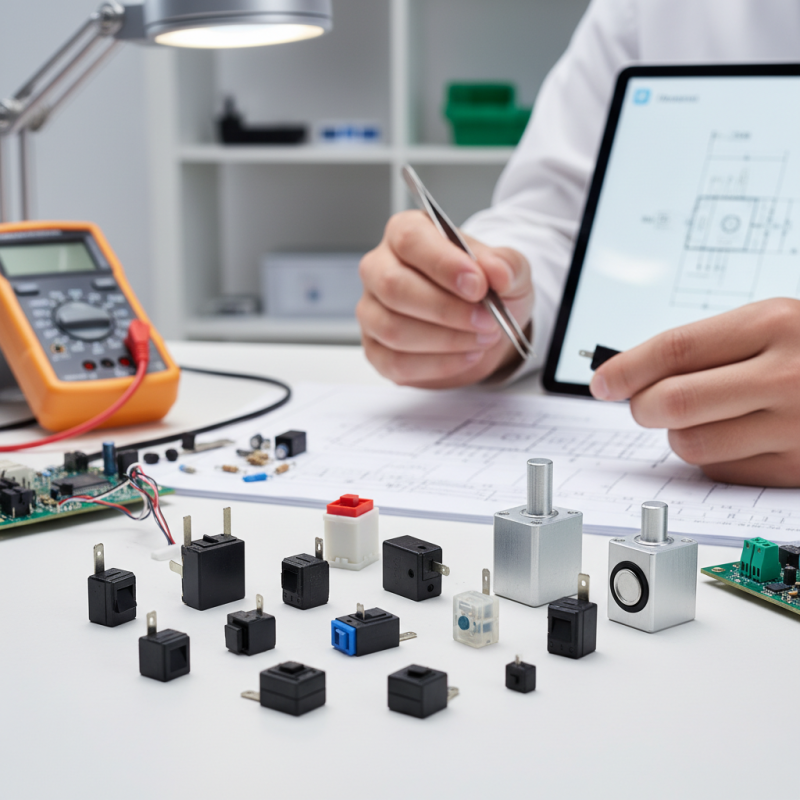
Understanding the Functionality of Micro Switches in Projects
Micro switches are critical components in various projects. Their small size and reliable operation make them suitable for numerous applications. Understanding their functionality is essential for any project designer. According to industry reports, micro switches have a longevity rate of over 1 million operations. This reliability is key for devices requiring frequent on-off switching.
When selecting a micro switch, consider the environment. Some types are designed for high humidity or dust exposure. Others may be more suited for clean rooms or low-stress applications. Reports suggest that 70% of failures arise from improper environmental choices, emphasizing the importance of matching the micro switch to project demands.
Additionally, think about the actuation force needed. Different projects require different levels of sensitivity. A switch that activates with just a light touch might be ideal for home appliances. However, heavy machinery may require stronger actuation force to avoid accidental triggers. Finding the right balance is often a challenge that needs careful consideration.
Identifying Project Requirements for Selecting a Micro Switch
Choosing the right micro switch begins with identifying your project's specific requirements. Each project demands different characteristics based on its use. Are you dealing with high-speed operations or low-load applications? Understanding these factors is crucial. You may need a switch designed for high durability or a miniature switch for compact spaces.
Tips: Consider the environment. Will the switch be exposed to dust or moisture? Ensure the selected switch meets these conditions. It’s vital to think about the electrical ratings too. The voltage and current specifications will significantly impact performance.
Not all switches are compatible. Sometimes, even small size differences can lead to issues. Think about how you will mount the switch. Physical dimensions can limit your options. This might lead to frustration when a switch doesn’t fit as expected. Choosing the right micro switch isn't just about features; it involves careful consideration of all project needs.
Exploring Different Types of Micro Switches and Their Applications
When selecting micro switches, understanding their types and applications is crucial. Micro switches are used in various devices, from appliances to industrial machinery. There are three primary types: basic, snap-action, and momentary. Each type serves different purposes depending on the project needs.
Basic micro switches provide simple on/off functionalities. They are reliable and cost-effective for low-demand applications. Snap-action switches, on the other hand, are designed for more demanding tasks. They can activate quickly, making them ideal for automation and safety mechanisms. Momentary switches are unique in that they only activate while pressed. This feature is commonly found in user interfaces.
Tips: Consider the voltage and current ratings before choosing a micro switch. Overlooking these specifications can lead to failure. Additionally, think about the physical space. Micro switches vary in size, and fitting them into compact designs can be challenging.
It's essential to reflect on the environment where the switch will operate. If it’s exposed to dust or moisture, protective measures like casings are needed. Some micro switches might not perform optimally in extreme conditions. Research appropriate certifications for specific environments to ensure reliability.
How to Choose the Right Micro Switch for Your Project?
| Type of Micro Switch | Actuation Mechanism | Current Rating | Typical Applications |
| Standard Micro Switch | Mechanical | 5A at 250VAC | Home appliances, Industrial machinery |
| Tactile Micro Switch | Push-button | 1A at 12VDC | Consumer electronics, Keyboards |
| Sealed Micro Switch | Mechanical | 15A at 125VAC | Automotive, Outdoor equipment |
| Roller Micro Switch | Roller lever | 10A at 250VAC | Conveyor systems, Robotics |
| Micro Switch with LED | Mechanical | 3A at 250VAC | Indicators, Control panels |
Key Specifications to Consider When Choosing a Micro Switch
When selecting a micro switch, understanding key specifications is crucial. These switches come in various designs, with different actuator types, such as levers, buttons, or rollers. The actuator type influences how the switch will perform in your project. For example, a roller switch may have a better mechanical life in applications requiring consistent, repetitive actions.
Another important specification is the electrical rating. Micro switches can handle different voltage and current levels. The choice depends on the devices being controlled. For instance, a switch rated for 15A at 125V AC is commonly used in household applications. A technical study published by the Institute of Electrical and Electronics Engineers (IEEE) indicates that switches often fail when approaching their maximum ratings, suggesting the importance of maintaining a safety margin in specifications.
Operating temperature is another variable to consider. Some micro switches perform poorly at extreme temperatures. A report by the International Electrotechnical Commission (IEC) states that temperature ranges can significantly affect a switch's reliability and lifespan. Selecting a switch that can handle your project's temperature extremes is vital. Ignoring this detail could lead to inconsistent performance or premature failure of the switch. Proper research and careful selection are necessary to avoid this situation.
Best Practices for Integrating Micro Switches into Your Design
When integrating micro switches into your design, understanding their specifications is essential. Micro switches are widely used in various applications, from industrial machines to household appliances. According to a recent industry report, the global micro switch market is expected to grow by 5% annually. This growth highlights the importance of selecting the right switch for optimal performance.
Tips: Always consider the operating force rating of the switch. This determines how much pressure is needed for actuation. If it's too high, users might struggle to operate the device. If it's too low, the switch may trigger inadvertently.
Additionally, environmental factors play a crucial role. Dust, moisture, and temperature variations can affect switch performance. Some reports suggest that installing switches in harsh environments may reduce their lifespan by over 30%. Choosing a switch rated for specific conditions can prevent premature failures.
Tips: Test your micro switch under actual working conditions. This ensures reliability and helps identify any issues early. Don’t skip this step; it can save you time and money in the long run. Remember, integrating micro switches is not just about the technical aspects but also about aligning with end-user needs and product expectations.