How to Choose the Right Cable Lugs for Your Projects?
Choosing the right Cable Lugs for your projects is crucial for ensuring safe and efficient electrical connections. According to a report by Research and Markets, the global cable lugs market is expected to grow significantly, driven by increased electrical infrastructure investments. This highlights the importance of selecting quality components in your electrical projects.
Cable lugs connect wires to terminals or equipment, making them a vital component in many applications. The right cable lugs enhance conductivity and reduce connection failures. However, with various materials and designs available, making a choice can be overwhelming. Industry professionals often emphasize understanding the specific requirements of your project, such as current ratings and environmental conditions.
Improper selection can lead to short circuits or equipment failures. Engineers and technicians must consider not just the specifications, but also the long-term performance and reliability of cable lugs. Awareness of these factors can prevent costly mistakes down the line. Making informed decisions ensures the integrity of your electrical systems.
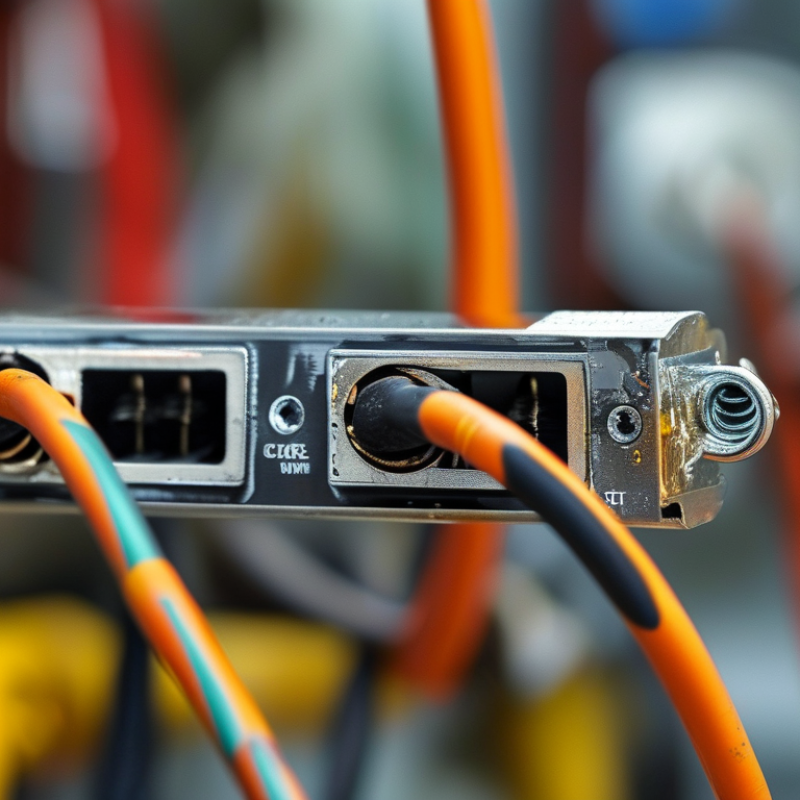
Understanding Cable Lugs: Types and Applications
When selecting cable lugs, it’s essential to understand their types and applications. Cable lugs come in various styles, including non-insulated, insulated, and heat-shrink types. Non-insulated types suit high-temperature applications but lack protection. Insulated lugs, on the other hand, provide better safety by preventing accidental contact, marking them as safer for general use.
According to industry research, over 55% of electrical failures are related to improper connections. This underlines the importance of selecting the right lug. Different materials, like copper and aluminum, affect conductivity and mechanical strength. Copper lugs offer superior conductivity, while aluminum lugs are lighter and often more cost-effective. However, aluminum requires careful handling because of its susceptibility to oxidation.
Installation methods also vary significantly. Crimping is preferred for its reliability, yet improper crimping can lead to failures. A report by the Electrical Safety Foundation International suggests that at least 30% of crimped connections fail due to poor technique. Recognizing the potential for human error is crucial. A solid understanding of these factors ensures a more reliable and safer electrical system.
Identifying Key Specifications for Cable Lugs Selection
Selecting the right cable lugs is crucial for electrical projects. It directly impacts safety and performance. Start by identifying the wire size and type you will be using. The lug must match the diameter of the conductor for optimal connection. A loose fit can lead to overheating or failure.
Next, consider the material of the cable lugs. Copper and aluminum are common choices. Copper lugs are more conductive but can be more expensive. Aluminum lugs are lighter and less expensive, but they require proper treatment to avoid corrosion. Ensure that your project’s environment is taken into account. Outdoor projects may need lugs with protective coatings.
When evaluating specifications, check for voltage and current ratings. These ratings are vital for preventing electrical failures. Don’t overlook the lug’s mechanical requirements, such as tensile strength and crimping specifications. Improper installation can lead to serious issues. It’s essential to follow guidelines and standards for your application. Making informed decisions here reduces risks significantly. Consider seeking advice from experts if you feel uncertain about any choice.
Factors to Consider: Size, Material, and Current Rating
Choosing the right cable lugs is essential for electrical projects. The size of the lug affects how well it fits the wire and terminal. If the size is incorrect, you may face connectivity issues. A tight fit ensures optimal conductivity. Too loose may lead to overheating. Always measure your wire gauge before selecting lugs.
Material is another crucial factor. Copper and aluminum are common choices. Copper lugs provide excellent conductivity, while aluminum lugs are lighter and often more economical. Consider the environmental conditions, too. Corrosion-resistant materials are vital in harsh settings. This prevents degradation over time.
Current rating cannot be overlooked. Each lug has a maximum current capacity. Exceeding this rating may cause failure. It's essential to consider future needs. Will the load increase over time? Reflecting on these factors will help you make informed decisions. A good choice today can save you headaches later.
How to Choose the Right Cable Lugs for Your Projects?
| Size (AWG) | Material | Current Rating (A) | Wire Type |
| 6 AWG | Copper | 65 | Stranded |
| 4 AWG | Aluminum | 85 | Stranded |
| 2 AWG | Copper | 95 | Stranded |
| 1 AWG | Aluminum | 100 | Stranded |
| 8 AWG | Copper | 50 | Stranded |
Matching Cable Lugs with Different Wire Types and Sizes
Choosing the right cable lugs for your projects requires careful consideration of wire types and sizes. Cable lugs come in various styles and materials. Understanding these options is crucial. For copper wires, choose copper lugs. They offer better conductivity than other materials. Aluminum wire, however, pairs well with aluminum lugs. This helps prevent issues like corrosion.
Wire size is another critical factor. For a snug fit, ensure the lug matches the wire diameter. If the lug is too large, it may lead to poor connections. Conversely, a lug that's too small can damage the wire insulation. Always refer to the manufacturer's specifications for precise sizing. This can save you from costly mistakes.
It’s also important to consider the application environment. For outdoor use, select lugs with protective coatings. This can enhance durability against moisture and corrosion. If unsure, consult professionals or reference industry guidelines. Finding the right match isn't always straightforward. Take time to review options carefully.
Installation Practices for Optimal Performance of Cable Lugs
When selecting cable lugs, proper installation practices are crucial for achieving optimal performance. According to industry standards, improper installation can lead to significant failures in electrical systems. Reports indicate that up to 30% of electrical faults can be traced back to poor connections. Ensuring the correct torque specifications is vital. Over-tightening can damage lugs, while under-tightening may create resistance points.
Additionally, the choice of materials affects longevity and reliability. Studies show that copper lugs outperform aluminum lugs in conductivity and resistance to corrosion. However, environmental factors can still compromise their integrity. Regular inspections should be conducted to monitor physical conditions. Moisture and dust can lead to failures over time.
Documentation plays a key role in installation. Maintaining accurate records of torque values and installation dates helps track performance trends. Inconsistencies in documentation can lead to oversights, jeopardizing the entire electrical system. Reflecting on previous installations can provide learning opportunities for better practices. Each project should be viewed as an opportunity to enhance knowledge and execution.