Why Choose a Conductivity Sensor for Your Applications?
In recent years, the demand for conductivity sensors has surged across various industries. This growth underscores their critical role in monitoring and controlling fluid quality. According to a report by MarketsandMarkets, the global conductivity sensor market is projected to reach $1.2 billion by 2025. Such statistics highlight their importance in applications ranging from water treatment to food processing.
Industry expert Dr. Emily Wang states, "The choice of a conductivity sensor can greatly impact operational efficiency and product quality." This statement resonates within sectors that prioritize accuracy and reliability. Conductivity sensors enable real-time monitoring, ensuring that processes remain within optimal parameters. They help prevent costly disruptions and enhance overall productivity.
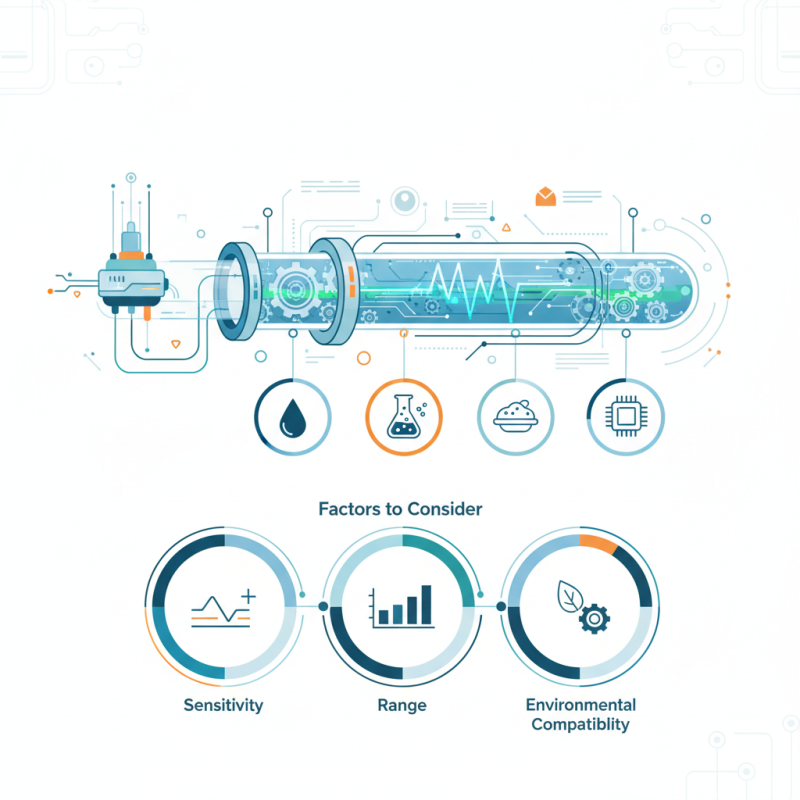
Choosing the right conductivity sensor requires careful consideration. There are various factors to weigh—sensitivity, range, and environmental compatibility. Being aware of these aspects is crucial for systems that depend on precise measurements. The decision-making process can often be complex and convoluted, reflecting the need for thorough research and expert consultation.
Understanding Conductivity Sensors and Their Functionality
Conductivity sensors play a crucial role in various industries. They measure the electrical conductivity of liquids and determine the concentration of ions. This functionality is essential in fields such as water treatment, food processing, and chemical manufacturing. By assessing conductivity, these sensors provide valuable insights into the quality of solutions.
These sensors operate by passing an electrical current through a liquid. The resulting conductivity indicates the presence of dissolved substances. Higher conductivity means a higher ion concentration. However, it’s important to note that factors like temperature can affect readings. This requires users to consider environmental conditions when interpreting results.
While conductivity sensors offer many benefits, challenges arise in their application. Calibration can be complex, often demanding expert knowledge. Regular maintenance is necessary to ensure accuracy. Users must be aware of potential interferences from other substances in the liquid. Thus, understanding the operational limits of conductivity sensors is vital for effective usage.
Applications of Conductivity Sensors in Various Industries
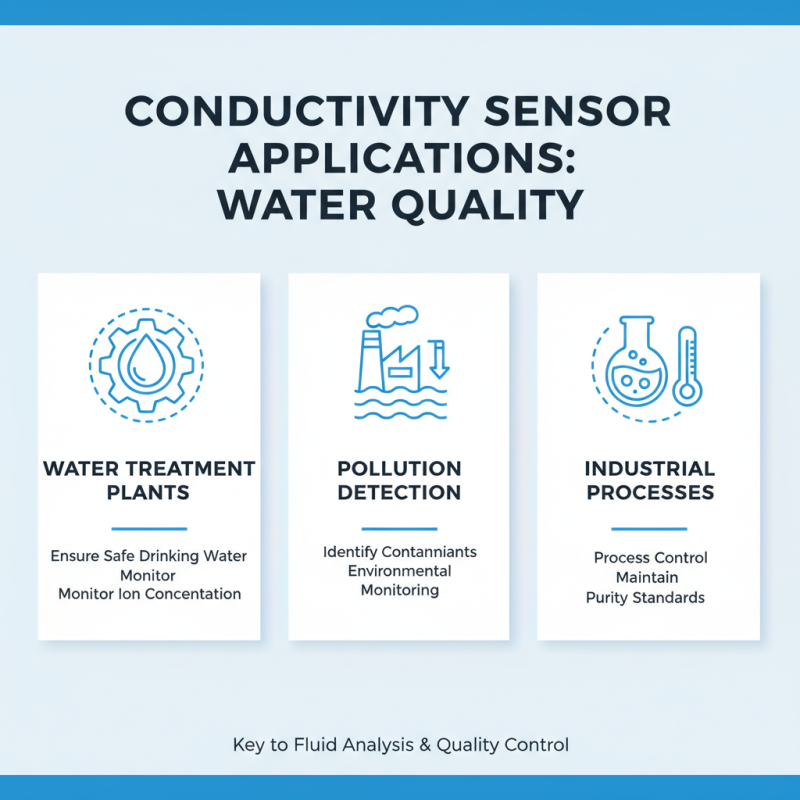
Conductivity sensors play a vital role across various industries. They measure the conductivity of fluids, which indicates ion concentration. This property is essential in water treatment plants, ensuring safe drinking water. These sensors help monitor pollutants and maintain water quality standards.
In the food and beverage industry, conductivity sensors ensure product consistency. They help manage salt levels in sauces and soups, enhancing flavor and texture. Real-time monitoring is critical, as deviations can affect taste and safety. Similarly, in pharmaceutical manufacturing, precise conductivity measurements are crucial for drug formulations.
Despite their advantages, some challenges exist. Sensors can drift over time, requiring regular calibration. Environmental factors like temperature can also impact accuracy. Users must be aware of these limitations when integrating conductivity sensors into their systems. Proper training for staff is essential to address potential issues and ensure reliability in measurements.
Advantages of Using Conductivity Sensors Over Other Sensors
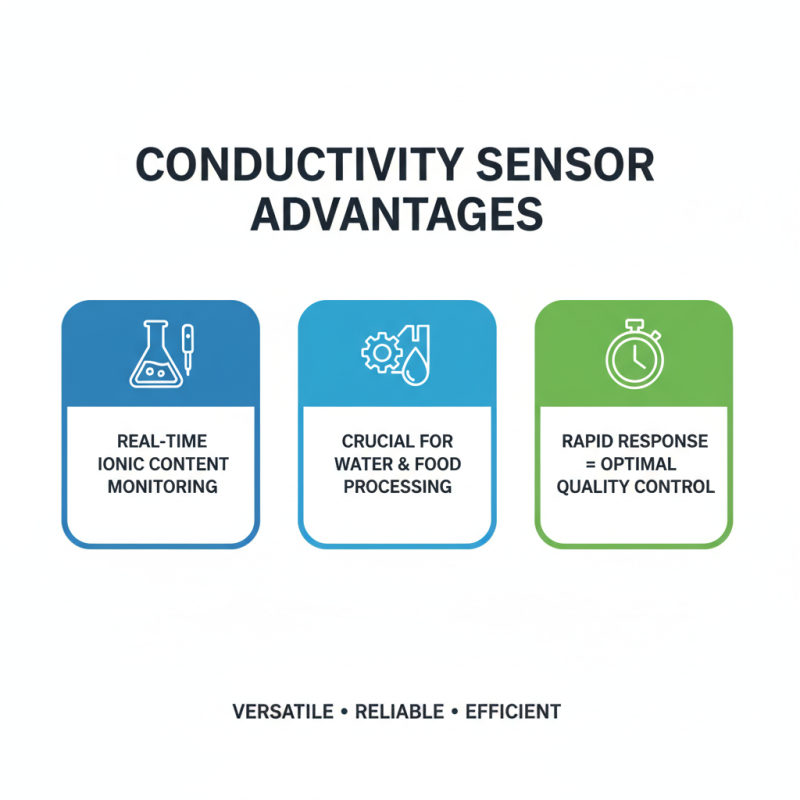
Conductivity sensors are ideal for various applications due to their versatility and reliability. One significant advantage of these sensors is their ability to provide real-time measurements of ionic content in liquids. This is crucial in industries like water treatment and food processing, where monitoring contamination levels is necessary. Their rapid response time allows for quick adjustment of processes, ensuring optimal performance and quality control.
Another benefit is the sensor's durability. Conductivity sensors are often resistant to chemicals and temperature fluctuations. This makes them well-suited for harsh environments. Unlike traditional sensors, they require less maintenance, leading to reduced downtime. However, users must regularly calibrate them to ensure accuracy. Few challenges exist, like potential interference from other ions. This can lead to misleading readings if the sensor is not set up properly. Understanding these limitations is essential for effective utilization.
In specific applications, using conductivity sensors over alternative methods can enhance process efficiency. For example, in aquaculture, monitoring water quality directly influences fish health. Conductivity sensors help in making immediate corrections when needed. The simplicity of installation and operation can also be appealing. However, it's imperative to evaluate long-term costs and consistency of data provided to fully leverage their advantages.
Factors to Consider When Choosing a Conductivity Sensor
When selecting a conductivity sensor, several factors come into play. The accuracy of the sensor is crucial. This measurement impacts many processes in industries like water treatment and pharmaceuticals. Ensure that the sensor aligns with your desired precision levels.
Another essential factor is the sensor's range. Different applications require different conductivity ranges. For example, drinking water and industrial waste management have vastly different needs. Select a sensor that can handle the specific conductivity levels found in your application.
Tips: Always check the sensor's specifications for temperature compensation. Temperature can influence conductivity readings significantly. Additionally, consider the material of the sensor for compatibility with your sample. Non-corrosive materials are essential for long-term durability.
Maintenance is also a variable. Some sensors require more frequent calibration or cleaning. This could impact long-term operations. Keep in mind, a more complex sensor can lead to more significant downtime. Evaluate how often you'll need to service the device before committing.
Choosing the right conductivity sensor involves thoughtful consideration of these factors. Take time to reflect on your specific needs. A well-chosen sensor can enhance both efficiency and data integrity in your applications.
Maintenance and Calibration of Conductivity Sensors for Optimal Performance
Conductivity sensors play a vital role in many industries. Their performance relies heavily on proper maintenance and calibration. A well-maintained sensor ensures accurate readings, which can significantly impact processes. Regular cleaning is essential to remove any buildup that could interfere with measurements. This process might seem tedious, but it directly affects the reliability of data.
Calibration is another crucial aspect. It involves comparing sensor readings to a known standard. This process helps identify any drift in performance. Ideally, calibration should occur at regular intervals, but some users may overlook this step. Skipping calibration can lead to discrepancies in data that can affect decision-making. Handling the sensor gently during both maintenance and calibration is also important. Overly aggressive handling can cause damage, leading to compromised readings.
Monitoring sensor performance allows for better management of applications. Technicians should document any changes in performance after maintenance or calibration. This documentation can reveal patterns over time. Reflecting on these patterns helps improve maintenance schedules. Ultimately, a dedicated approach to the upkeep of conductivity sensors enhances their longevity and efficacy.
Conductivity Sensor Performance Data
This bar chart illustrates the conductivity values measured by different sensors. Selecting the optimal conductivity sensor depends on the performance indicated by such data. Regular maintenance and calibration are essential for ensuring sensors function effectively in various applications.