Best Small Excavator Cylinder Options for Global Buyers?
When it comes to selecting the best Small Excavator Cylinder, buyers face many options globally. The right cylinder can significantly enhance performance and reliability in various applications. It’s essential to navigate the diverse market and identify quality products that meet specific needs.
Understanding the intricacies of small excavator cylinders is crucial. Quality varies, and some brands may not deliver on their promises. Therefore, careful evaluation of factors such as durability, compatibility, and pressure ratings is necessary. Buyers should consider manufacturers with a proven track record and positive reviews.
In addition to quality, affordability is a significant concern for global buyers. Striking a balance between cost and performance can feel challenging. Not every low-priced cylinder will serve effectively. Sometimes, less expensive options lead to mechanical issues down the line, prompting costly repairs. Ultimately, making an informed choice about a small excavator cylinder demands time and thorough research.
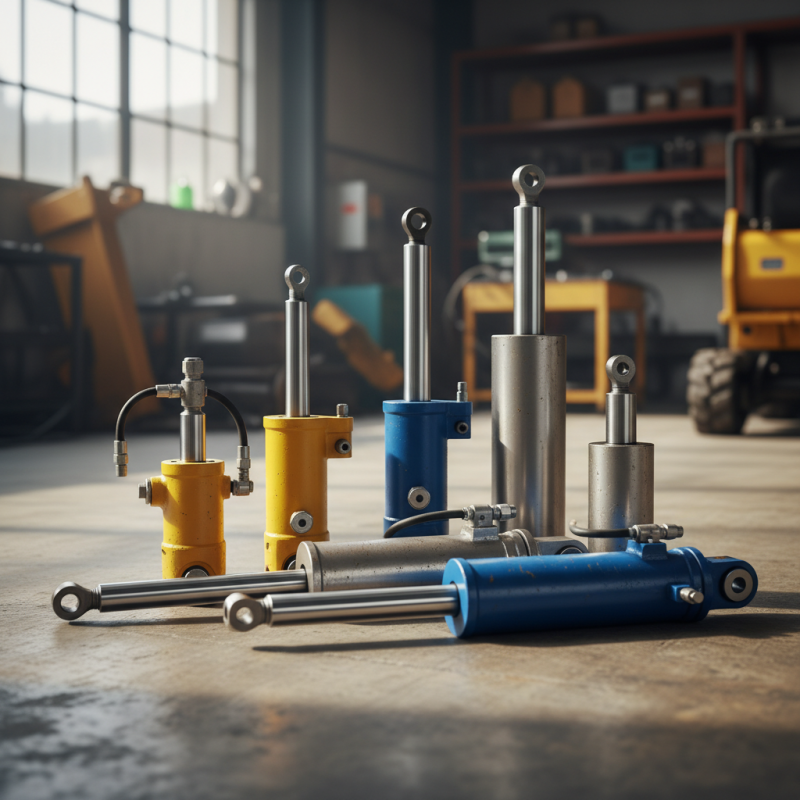
Best Small Excavator Cylinders: Key Specifications and Features
When selecting small excavator cylinders, understanding key specifications is crucial. These hydraulic components directly influence performance. For instance, standard bore diameters typically range from 50mm to 150mm. According to industry reports, a larger bore size increases lifting capacity but also raises weight and cost. Therefore, a balance must be struck to meet job requirements without overspending.
Stroke lengths vary significantly, often between 300mm to 1,500mm. This range must align with the specific applications of the excavator. Reports show that longer strokes can provide greater reach, yet they may require more maintenance. Additionally, materials play a key role in durability and performance. High-strength steel is common for enhanced longevity, yet it can increase the cylinder's overall weight.
Pressure ratings also deserve attention. Many small excavator cylinders operate efficiently at pressures around 200 to 250 bar. Operating beyond this range may risk damage and increase failure rates. Understanding these nuances is vital for making informed choices. Buyers should assess their operational needs carefully. Not all cylinders are created equal, and knowing the specifics can prevent costly mistakes.
Top Brands for Small Excavator Cylinders in the Global Market
When exploring small excavator cylinders in the global market, several key factors influence buyers. Reliability and efficiency are crucial, especially for compact excavators. Choosing the right cylinder can significantly impact the machine’s performance. Users often overlook the importance of correct sizing and specifications.
Top brands focus on advanced technology and durable materials. They prioritize customer feedback to enhance their products. Some users report issues with compatibility, leading to frustration. Therefore, understanding your excavator’s requirements is essential. Proper research helps avoid such pitfalls.
Market trends show a growing demand for lightweight yet robust cylinders. Many buyers seek options that balance quality and cost. Some budget-friendly choices might compromise on performance. The challenge lies in finding a reliable supplier who offers warranties and support. It's important to analyze reviews, ensuring you make an informed decision.
Best Small Excavator Cylinder Options for Global Buyers
| Option | Bore Size (mm) | Stroke Length (mm) | Weight (kg) | Max Pressure (bar) | Material | Price Range (USD) |
| Option A | 50 | 300 | 25 | 250 | Steel | $400 - $600 |
| Option B | 60 | 350 | 30 | 200 | Aluminum | $500 - $700 |
| Option C | 70 | 400 | 35 | 220 | Composite | $600 - $800 |
| Option D | 80 | 450 | 40 | 230 | Steel | $700 - $900 |
| Option E | 90 | 500 | 45 | 240 | Aluminum | $800 - $1000 |
Performance Metrics: Lifting Capacity and Hydraulic Pressure in Small Excavators
When evaluating small excavators, performance metrics such as lifting capacity and hydraulic pressure are crucial. These factors determine the machine's efficiency and versatility on various job sites. A compact excavator should ideally lift loads that maximize its weight without compromising stability. Many models excel in tight spaces, but lifting capabilities can vary significantly. Consider the specific applications, like landscaping or construction, when assessing these machines.
Hydraulic pressure plays a vital role too. It influences the speed and power of the attachments, like buckets and breakers. Higher hydraulic pressure can lead to faster cycle times, enhancing productivity. However, machines with substantial pressure may come with trade-offs, such as increased wear and tear. This can lead to maintenance challenges in the long run. Operators must understand the balance between power and durability to make informed choices.
Choosing the right small excavator requires considering these performance aspects in detail. Buyers should also account for local terrain and the types of jobs they plan to undertake. A machine that seems perfect on paper may not fit every scenario. Hence, practical experience and routine maintenance are invaluable for ensuring optimal performance over time.
Best Small Excavator Cylinder Options for Global Buyers
Material Selection: Aluminum vs. Steel in Cylinder Durability and Weight
When considering small excavator cylinders, material selection plays a crucial role in durability and weight. Aluminum is lightweight, making it easier to handle. It also resists corrosion, which can enhance the lifespan of the cylinder. However, aluminum may not offer the same strength as steel under extreme stress. This can lead to potential failures in challenging operational environments.
On the other hand, steel is much more robust. It can withstand heavy loads and high pressure without deformation. This durability is beneficial for heavy-duty tasks, but it comes with added weight. Operators may find maneuvering steel cylinders more challenging. The choice between aluminum and steel often boils down to specific use cases and personal preferences.
Nevertheless, both materials have their drawbacks. Aluminum can be dented more easily, which may require careful handling. Steel can rust if not properly maintained. Assessing the context in which the small excavator will operate is essential. Understanding the balance between durability, weight, and handling can lead to better decision-making in cylinder selection.
Cost Analysis: Average Pricing Trends for Small Excavator Cylinders Worldwide
When analyzing the pricing trends for small excavator cylinders worldwide, a few key observations emerge. The global market for small excavator cylinders has seen average pricing hover around $1,500 to $3,000 per unit. These prices fluctuate based on factors like technology, material quality, and manufacturing location.
For example, in North America, prices are often at the higher end of the spectrum due to labor costs and advanced technology used in production. Reports indicate that demand in emerging markets like Southeast Asia is driving prices down. This is attributed to increasing competition and a shift towards cost-effective manufacturing methods.
However, challenges persist. Buyers face issues with supply chain disruptions and varying quality standards across regions. Some cylinders may not meet industry specifications, leading to costly downtimes for operators. Data from industry sources highlight that approximately 15% of cylinders in the aftermarket may have reliability concerns. This inconsistency emphasizes the need for buyers to conduct thorough research before making purchasing decisions.