








What Is the Best PV Monitoring System in China?

Choosing the best pv monitoring system in China is not simply a pricing exercise. It is a decision about visibility, response time, and long-term operating confidence. A useful platform should collect inverter, weather, meter, and battery data accurately. It should also turn those readings into clear actions for technicians. That sounds straightforward. Often, it is not.

China’s solar market includes rooftop arrays, utility-scale parks, and complex commercial sites. Each setting creates different monitoring demands. A small factory may need simple alarms and monthly reports. A large plant may require string-level analysis, remote diagnosis, and performance benchmarking. Connectivity matters too, especially where rural networks are unstable. During field reviews, a delayed alarm can be more damaging than an imperfect dashboard. The best systems therefore balance data depth with practical usability.

This guide compares platforms through measurable criteria, including data accuracy, alert quality, integration, cybersecurity, support, and total ownership cost. It also considers local installation experience and the clarity of Chinese-language service. Vendor claims deserve verification. A polished interface cannot compensate for missing data or slow support. No system is perfect. Even strong platforms may need configuration changes after commissioning. Readers should test sample alarms, inspect historical curves, and ask how faults are escalated. The final choice should fit the site’s equipment, staff, budget, and risk tolerance. This practical perspective helps identify a reliable solution rather than merely an impressive product.
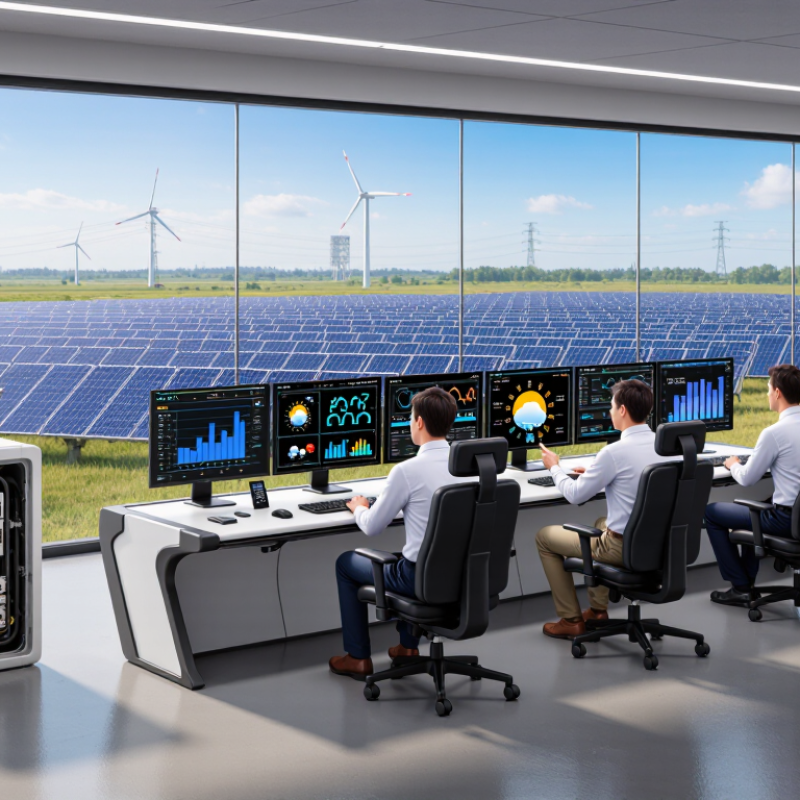
What Is the Best PV Monitoring System in China?

What Is a PV Monitoring System and Why Is It Important in China?

A PV monitoring system collects data from inverters, meters, weather sensors, and electrical equipment. It then displays production, voltage, temperature, alarms, and performance ratios. In China, this visibility matters because solar capacity is expanding at exceptional speed. The National Energy Administration reported 887.0 GW of cumulative solar capacity by the end of 2024. New capacity reached about 277 GW that year. Even a small performance loss can therefore affect thousands of megawatt-hours.

Monitoring also supports safer and faster maintenance. Operators can compare string output, detect abnormal temperature, and identify communication failures remotely. The IEA Photovoltaic Power Systems Programme reported that global PV capacity exceeded 2,000 GW in 2024, with China accounting for a major share. This scale makes manual inspection increasingly unrealistic. Still, data can be misleading. A dirty irradiance sensor, unstable network, or incorrect calibration may create false alarms. Field teams should verify critical warnings on site.

Tip: Choose a system that supports local grid requirements, Chinese-language reports, historical data, and open communication protocols. Set practical alarm thresholds. Test them after seasonal weather changes. Store records securely, and review them with trained technicians rather than trusting a dashboard blindly. A strong system should reveal problems clearly, not merely produce attractive charts.

How PV Monitoring Systems Work Across Chinese Solar Installations

PV monitoring in China must fit the site, not just display attractive charts. Rooftop arrays in cities face shadows, dust, and complex electrical layouts. Large desert projects face heat, wind, and long communication distances. Agricultural installations add humidity and changing crop conditions. These differences shape the monitoring design.

A typical system collects inverter output, module temperature, irradiance, string current, and grid data. Sensors send readings through a gateway to a local platform or secure cloud service. Operators compare expected production with actual output. A sudden string imbalance may reveal shading, a loose connection, or component damage. Temperature alarms matter during summer peaks. At a remote plant, alerts can save hours of inspection travel. At a factory roof, maintenance teams need clearer warnings and faster coordination.

Good monitoring also depends on disciplined field work. Sensors need calibration, communication networks need testing, and technicians must verify alarms on site. Data can look precise while a faulty sensor quietly misleads the team. No dashboard is perfect. Weather models may miss local cloud cover, and early warnings can create unnecessary visits. Simple, explainable alerts often support better decisions than crowded screens. The most suitable system connects reliable measurements with practical maintenance, strong access controls, and records engineers can question.

Key Features of the Best PV Monitoring Systems in China

A strong PV monitoring system in China should turn plant data into clear operating decisions. It must collect inverter output, string current, module temperature, irradiance, and weather readings. Accurate timestamps matter when comparing a shaded array with a healthy one. In field inspections, small sensor errors often create large maintenance costs. A reliable platform should also show data gaps instead of hiding them.

Fast alerts are essential. Operators need warnings for sudden power loss, insulation faults, overheating, and communication failures. Alarm rules should be adjustable, because a useful warning can become noise during unstable weather. Mobile access helps engineers check a remote site after a storm. Clear charts, daily yield reports, and historical comparisons support professional performance analysis. The system should connect with existing SCADA tools through secure, documented interfaces.

Cybersecurity is not an optional feature. Role-based access, encrypted communication, audit logs, and regular software updates protect operational data. The platform should support multiple sites without slowing down during peak reporting hours. It should also follow applicable grid requirements and recognized data practices in China. No dashboard is perfect. A sensor may fail, a network may drop, or an alert may arrive late. For that reason, dependable systems preserve raw data and explain how performance indicators are calculated. Engineers should be able to question the numbers, not merely accept attractive charts.

What Is the Best PV Monitoring System in China?

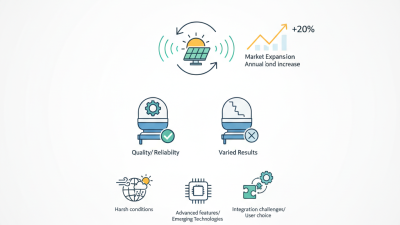
Key features are assessed against practical engineering targets commonly used for utility-scale photovoltaic monitoring. Higher scores indicate stronger monitoring capability, reliability, and operational value.

The benchmark focuses on measurable capabilities such as data interval, system availability, data completeness, alert response, API interoperability, and cybersecurity readiness.

How to Compare Chinese PV Monitoring Platforms and Technologies

What Is the Best PV Monitoring System in China?

How to Compare Chinese PV Monitoring Platforms and Technologies

Comparing Chinese PV monitoring platforms requires more than checking dashboard design. Start with device compatibility, communication protocols, and data accuracy. A strong system should connect inverters, meters, weather stations, and trackers without constant manual adjustment. Field reviews often reveal hidden gaps. Some platforms display attractive charts but lose data during network interruptions. Ask for sample records from cloudy days, curtailment events, and inverter faults.

Data quality matters. Compare sampling intervals, timestamp consistency, historical storage, and alarm response speed. Performance ratio calculations should explain their inputs clearly. Irradiance sensors need regular calibration, while temperature probes require sensible placement. Check whether the platform supports edge gateways and local buffering. This feature keeps records available when the site connection fails. Test it live.

Cybersecurity also deserves close attention. Review user permissions, encryption, audit logs, remote access controls, and update procedures. Industrial sites may use IEC 62443 principles alongside applicable Chinese data requirements. Confirm where data is stored and how it can be exported. A useful API should provide structured data, not screenshots disguised as reports. Local technical support can reduce downtime, but service quality must be measured through response targets and repair records.

No platform is perfect. A technically advanced system may still create false alarms or confuse operators with excessive notifications. Request a limited pilot at one plant before wider deployment. Compare measured energy, downtime records, alarm accuracy, and maintenance workload. The best choice is usually the platform that remains dependable during ordinary, messy operating conditions.

What Is the Best PV Monitoring System in China? - How to Compare Chinese PV Monitoring Platforms and Technologies

Evaluation Dimension Basic Web Monitoring Portal Professional Cloud Monitoring Platform Enterprise SCADA or Hybrid Platform Recommended Comparison Criteria
Typical Application Small residential and distributed PV systems Commercial, industrial, and multi-site distributed PV Utility-scale plants, grid-connected assets, and portfolios requiring local control Match the platform to plant size, operational risk, and number of sites
Data Acquisition Inverter gateway or integrated data logger Data loggers, gateways, smart meters, weather stations, and third-party devices Industrial gateways, RTUs, PLCs, protection devices, meters, and meteorological systems Check support for Modbus RTU/TCP, IEC 60870-5-104, MQTT, OPC UA, and secure APIs
Data Update Interval Usually about 5–15 minutes, depending on network conditions Typically about 1–5 minutes for operational dashboards Seconds to minutes for local control and monitoring; cloud views may be slower Confirm the difference between local acquisition speed and cloud display speed
Monitoring Scope Basic power, energy, yield, and device status Plant performance, inverter status, meter data, weather, alarms, and energy analysis Complete plant supervision, electrical systems, substation equipment, protection, and dispatch interfaces Verify whether the system monitors only inverters or the entire electrical balance of plant
Alarm Management Basic fault notifications and email or application alerts Configurable thresholds, alarm prioritization, escalation, and event history Hierarchical alarms, acknowledgement workflows, alarm shelving, event recording, and control-room integration Assess alarm accuracy, response time, false-alarm filtering, and maintenance workflow support
Performance Analysis Daily and monthly generation summaries Specific yield, performance ratio, availability, loss analysis, and comparative reporting Advanced loss trees, curtailment analysis, grid-event analysis, and detailed operational reports Look for performance ratio calculations based on irradiance, temperature, and validated meter data
Weather and Irradiance Data Optional or limited weather information Support for pyranometers, reference cells, temperature sensors, and weather services Integrated meteorological stations, calibrated sensors, data validation, and redundancy options Check sensor calibration records, sampling frequency, data quality checks, and redundancy
Data Storage Short- to medium-term historical records Centralized cloud storage with configurable retention and export functions Local historian, redundant databases, and optional cloud or disaster-recovery storage Confirm retention period, timestamp accuracy, backup policy, and data ownership
Connectivity in Remote Areas Usually dependent on local broadband or cellular service Ethernet, cellular, Wi-Fi, and store-and-forward communication are commonly available Multiple communication paths, local buffering, VPN, private networks, and redundant links Test offline buffering, reconnection behavior, cellular coverage, and communication redundancy
Cybersecurity Basic account authentication and encrypted web access Role-based access, HTTPS/TLS, multi-factor authentication options, and audit logs Network segmentation, VPN, certificate management, least-privilege access, audit trails, and local security controls Review password policy, MFA, encryption, patching, vulnerability handling, and access logging
Scalability Best suited to one or a few small plants Suitable for multiple plants, users, and organizational roles Designed for large portfolios, control centers, high device counts, and complex user permissions Evaluate device limits, site limits, user roles, database performance, and future expansion costs
API and Data Export CSV downloads or limited reports REST APIs, scheduled reports, CSV exports, and integration with energy-management systems OPC UA, IEC protocols, SQL access, historian integration, and enterprise data interfaces Confirm API documentation, rate limits, historical access, timestamps, and data portability
Local Control Capability Usually monitoring only May support limited remote settings or commands with authorization Supports local control, active-power limitation, reactive-power control, and grid-command interfaces where permitted Separate monitoring rights from control rights and require approval, logging, and fail-safe mechanisms
Deployment Model Cloud-hosted service Public cloud or regional cloud with web and mobile access On-premises, private cloud, or hybrid architecture Select according to data-residency requirements, network policy, uptime needs, and IT resources
Mobile and Multi-User Access Basic web or mobile dashboard Responsive web interface, mobile application, shared dashboards, and role-based accounts Control-room screens, engineering workstations, secure remote access, and structured approval workflows Check usability, Chinese-language support, user permissions, and notification channels
Maintenance and Serviceability Low configuration effort and limited diagnostic depth Remote diagnostics, firmware coordination, ticketing, and standardized reports Detailed asset management, work orders, maintenance logs, spare-part tracking, and engineering support Assess local technical support, response-time commitments, training, and replacement procedures
Cost Structure Lower initial cost; limited advanced functions Subscription, device-based, site-based, or service-based pricing is common Higher engineering, hardware, integration, and maintenance costs Compare total cost of ownership, communication fees, upgrades, licenses, support, and data export charges
Best Fit in China Single-site owners prioritizing simple visibility and low cost Most commercial and industrial users requiring centralized management and practical analytics Large plants, portfolio operators, energy companies, and projects with strict grid or cybersecurity requirements The best system is the one that delivers reliable data, accurate alarms, open integration, and acceptable lifecycle cost

Note: The values and descriptions represent common technology characteristics and evaluation ranges in the photovoltaic monitoring market. Actual performance depends on plant design, network quality, device compatibility, configuration, and service-level agreements.

How to Choose the Right PV Monitoring System for Your Project

Choosing the right PV monitoring system starts with the project, not the dashboard design. China added about 216.9 GW of solar capacity in 2023, according to the National Energy Administration. This rapid expansion makes reliable operational data essential. Define the required measurement level first: plant, inverter, string, or module. Utility-scale sites usually need fast fault detection, while smaller rooftops may prioritize simple alerts and energy reports.

Check whether the system follows IEC 61724-1 principles for performance monitoring. It should record irradiance, module temperature, ambient conditions, power output, and availability. Data should remain traceable, with clear timestamps and calibration records. The IEA PVPS Trends 2024 report shows China remained the largest solar market, so local projects also need platforms that handle high device density and unstable communication links. Store data locally during outages. Then synchronize it safely.

Cybersecurity deserves practical attention. Require role-based access, encrypted transmission, audit logs, and tested backup procedures. Ask how the system calculates performance ratio, curtailment, and lost energy. A low-cost platform may display attractive charts but miss intermittent string failures. That is expensive. Site acceptance tests should compare monitoring values with calibrated instruments for several operating days. No monitoring system is perfect. Weather sensors drift, network gateways fail, and alarms can become excessive. I would rather choose a less decorative system with dependable data, open interfaces, and responsive technical support.